- Departments
Departments
Department of Biogeochemistry
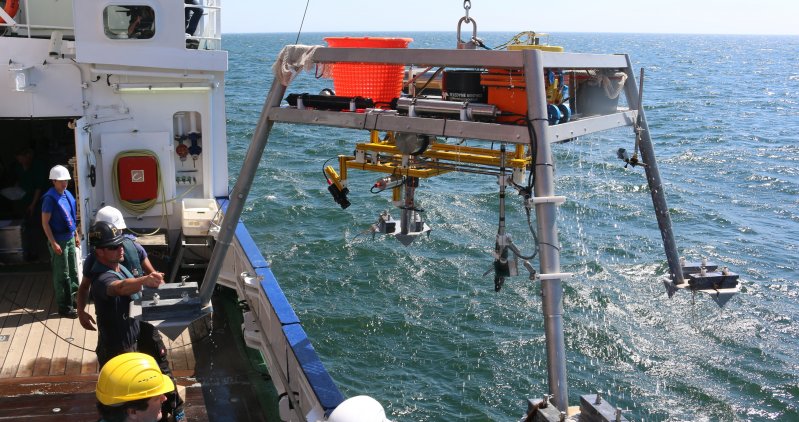
Research in the Department of Biogeochemistry led by Prof. Dr. Marcel Kuypers focuses on microbiological and geochemical processes that control bioactive element cycling in the marine environment. The researchers employ geochemical, microbiological, modeling, molecular, and single-cell techniques to study the environmental regulation of these processes and their effects on the global biogeochemical cycles. They aim to gain fundamental insights into microbially mediated processes ultimately affecting ocean chemistry, biology and our climate and provide vital input for models predicting potential future changes resulting from human activities.
Research Groups:
Biogeochemistry
Greenhouse Gases
Microbial Physiology
Department of Molecular Ecology
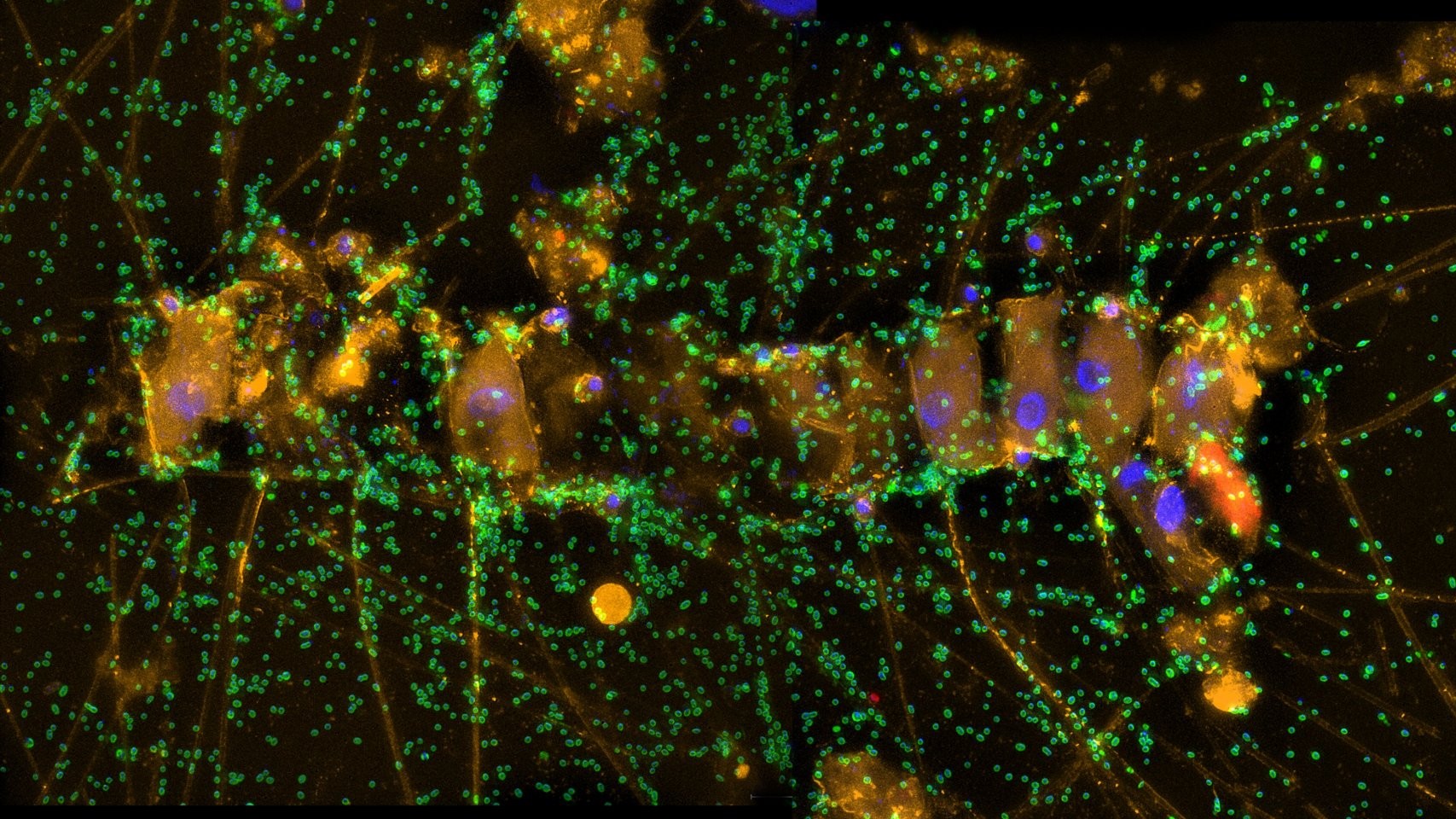
Research in the Department of Molecular Ecology led by Prof. Dr. Rudolf Amann covers various ecosystems, including benthic habitats - from coastal permeable sediments to deep sea hydrothermal vents and seeps – as well as pelagic environments – from the shelf to the open ocean. A special focus of this group lies on the North Sea and the Wadden Sea.
Research Groups:
Molecular Ecology Group
Flow Cytometry Research Group
Department of Symbiosis

The Department of Symbiosis, headed by Prof. Dr. Nicole Dubilier, studies the biology and ecology of tight associations between bacteria and eukaryotes. The main emphasis lies on marine invertebrates from chemosynthetic environments such as sulfide-rich coastal sediments, vents and seeps.
Research Group:
Metabolic Interactions
Department of Ocean Biosphere Dynamics

The Department of Ocean Biosphere Dynamics, headed by Prof. Dr. Tatiana Ilyina, investigates the ocean carbon cycle, ocean biosphere dynamics, and their interactions with Earth’s climate across timescales from years to millennia. A particular focus is on modeling the role of marine microbes in regulating ocean carbon storage and biogeochemical processes. By integrating microbiological observations with Earth system modeling, we improve understanding of climate–carbon cycle feedbacks and enhance predictions of ocean carbon dynamics and future climate change.
Research Group:
Biogeochemical Prediction
Department of Chemical Ecology

The Department of Chemical Ecology, headed by Dr. Jean-Baptiste Raina, focuses on identifying the chemicals and behaviours underpinning marine microbial interactions and symbioses. To achieve this goal, we use a wide range of approaches at the interface of environmental microbiology, chemical ecology and biophysics to untangle microbial interactions at the scale at which they occur. Our goal is to identify keystone molecules underpinning microbial interactions and symbioses, the role they play for marine bacteria, and their impact on the health and productivity of marine ecosystems.
Max Planck Research Group Protist Virology
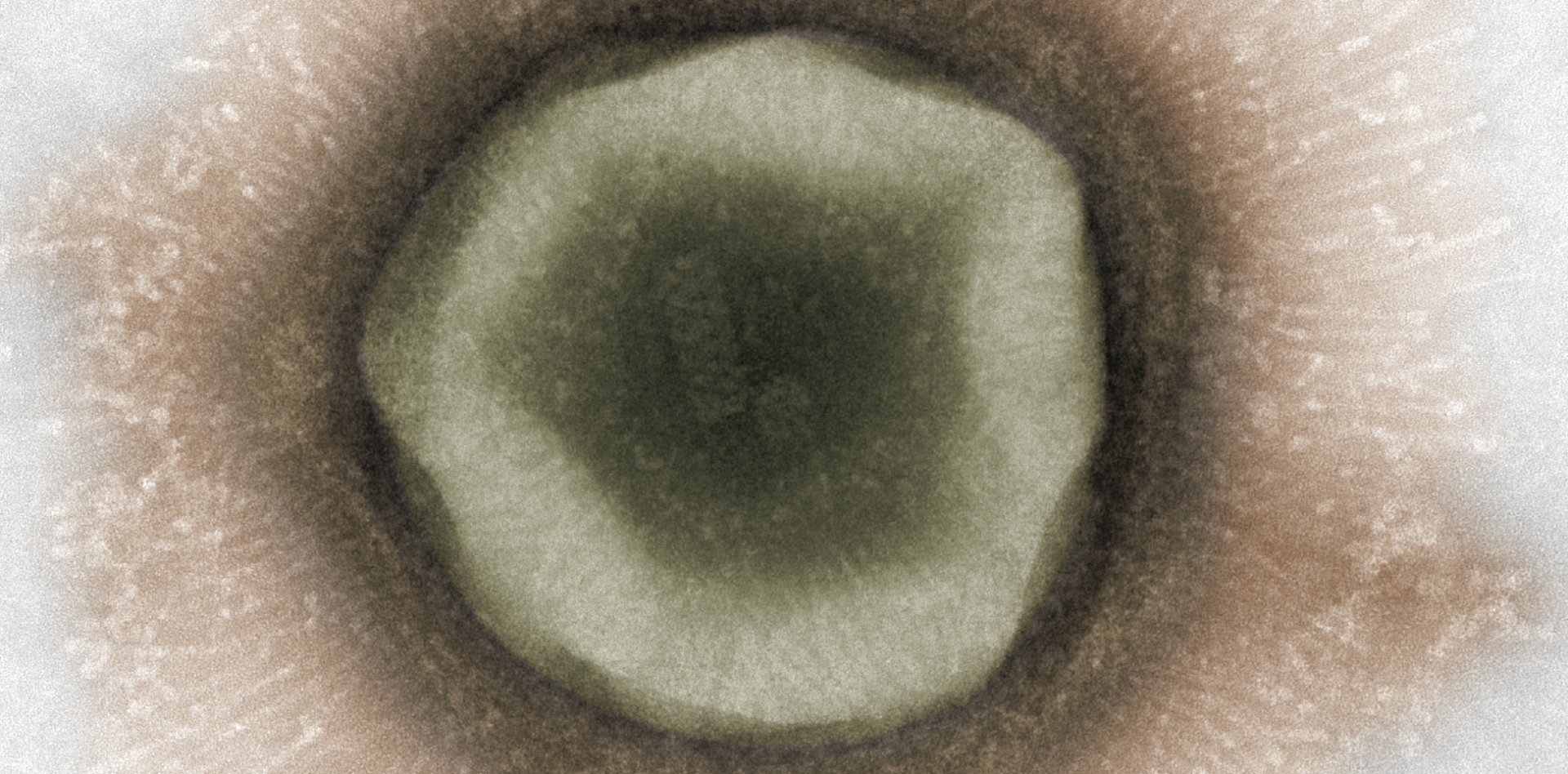
The new Max Planck Research Group Protist Virology was founded at our institute in January 2025. Under the leadership of Dr. Matthias Fischer, the researchers are investigating the biology of giant viruses and their parasites.
ERC Research Group for Ecological Genomics
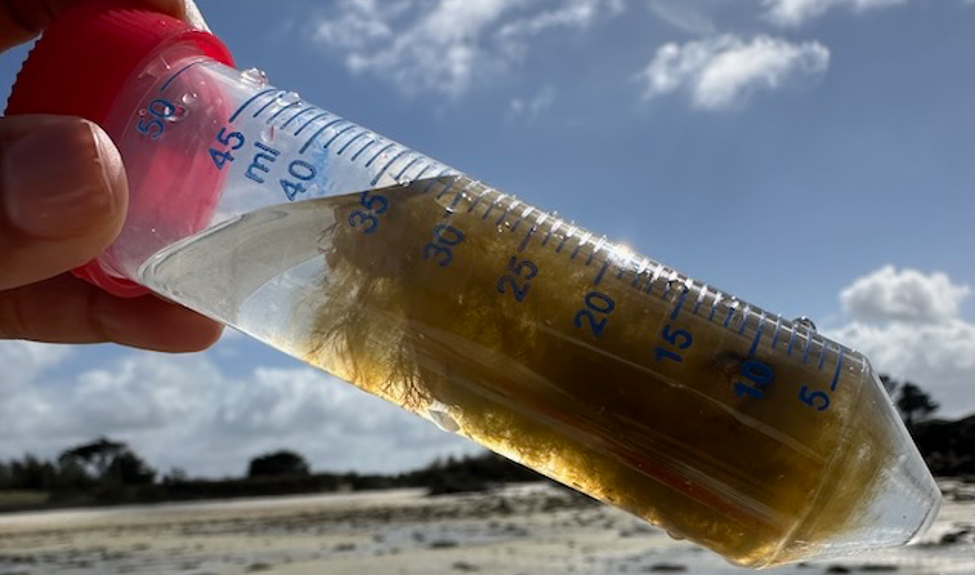
The ERC Research Group for Ecological Genomics, headed by Dr. Luis Orellana, investigates the diversity, functions, and evolutionary interactions of marine microbes. Using advanced multi-omics and imaging techniques, we uncover the genetic foundations of microbial ecosystem processes, with a particular focus on bacteria involved in algal health and oceanic carbon sequestration.
HGF MPG Joint Research Group for Deep-Sea Ecology and Technology

The HGF MPG Joint Research Group for Deep-Sea Ecology and Technology, headed by Prof. Dr. Antje Boetius, focuses on the physical, chemical, geological, hydrological, and biological characteristics of the diverse microbial habitats. The goal of our research on “microbial habitats” is to understand niche formation, and to investigate regulatory mechanisms for the occurrence and distribution of microbial populations. This requires the development of a variety of in situ techniques, as well as experimental strategies to quantify the nature and variability of the habitat on different temporal and spatial scales.
This Joint Research Group combines the expertise of the Alfred Wegener Institute, Helmholtz Center for Polar and Marine Research (AWI) in Bremerhaven to conduct research in polar environments and to carry out long-term observations with MPIMM’s competence in the area of marine microbiology, the development of new molecular-biological methodologies, and in situ sensors.
HIFMB MPG Bridging Group for Marine Omics
The HIFMB MPG Bridging Group for Marine Omics, led by Prof. Dr. A. Murat Eren, is a cooperation with the Helmholtz Institute for Functional Marine Biodiversity and focuses on several emerging approaches of biology all carrying the suffix “-omics”, such as genomics, metagenomics, metatranscriptomics, pangenomics, or phylogenomics. Collectively these strategies enable detailed descriptions of the ecology and evolution of organisms in controlled environments or in their natural habitats through molecular surveys.
Emmy Noether Research Group for Organosulfur Cycling

The Emmy Noether Research Group for Organosulfur Cycling, led by Dr. Eileen Kröber, focuses on organic sulfur compounds which are produced in our oceans and play an important role in climate regulation. These compounds are produced in large quantities in seagrass beds, mangroves and coral reefs – habitats where numerous worms and mussels obtain their nutrition with the help of symbiotic bacteria.
Minerva Fast Track Research Group for Marine Transmissible Cancers
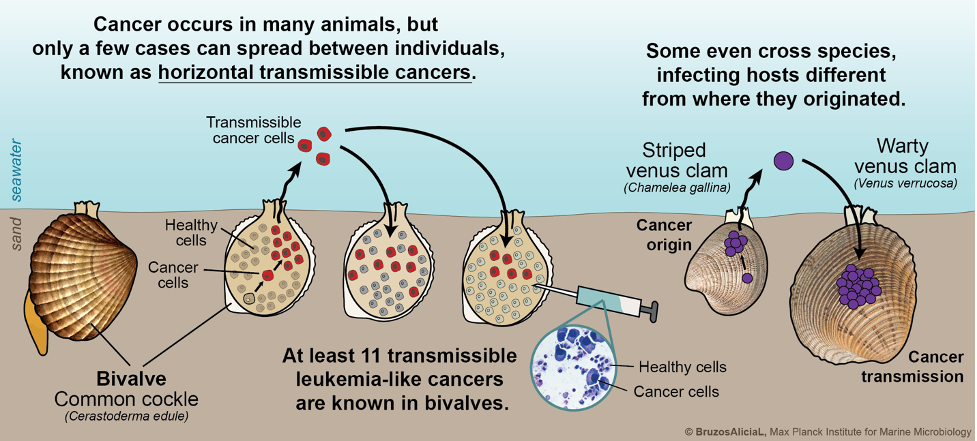
The Minerva Fast Track Research Group for Marine Transmissible Cancers led by Dr. Alicia L. Bruzos investigates how cancer cells can become contagious and spread among marine bivalves. We combine fieldwork, molecular techniques, multi-omics, and experimental approaches to understand the ecological and evolutionary dynamics of these unusual cancers, which challenge our definitions of cancer and disease transmission.
ICBM-MPI Bridge Group Marine Geochemistry

The ICBM-MPI Bridge Group, headed by Prof. Dr. Thorsten Dittmar, is a cooperation between MPIMM and the Institute for Chemistry and Biology of the Marine Environment (ICBM, University of Oldenburg). It aims at a better understanding of global element cycles using molecular tools. A special focus lies on dissolved organic matter (DOM). Structure-function-relationships for DOM and other organic matter pools are required to understand the earth’s past and future. Recent progress in analytical chemistry has allowed the characterisation of DOM at the molecular level in unprecedented detail, allowing for new insights into its source and history.